ADHD (Attention‑Deficit/Hyperactivity Disorder) is a neurodevelopmental condition characterized by patterns of inattention, hyperactivity, and impulsivity that surpasses the typical developmental levels which can impair daily functioning.
Some of the core symptoms for ADHD include inattention, hyperactivity, and impusivity. ADHD is currently categorized into three presentation types: Predominantly inattentive, Predominantly Hyperactive-Impulsive, and Combined.
ADHD is more than distraction or fidgeting—it reflects fundamental differences in executive regulation, attention, and impulse control.
ADHD stems in part from executive dysfunction—difficulty with working memory, inhibitory control, planning, and emotional regulation.
There are imbalances in dopamine and norepinephrine, especially in circuits that govern motivation, alertness, focus, and executive control.
Reduced dopamine activity makes sustained focus on low-interest or delayed-reward tasks challenging, while immediate tasks may receive disproportionate attention—this is sometimes called an attention allocation deficit rather than an absence of attention.
A neuroimaging study reports that people with ADHD often have slightly reduced overall brain volume, especially in the prefrontal cortex, parietal regions, basal ganglia (including the caudate and putamen), amygdala, hippocampus, and cerebellum.
ADHD is not a matter of laziness or poor discipline—it is rooted in measurable differences in brain structure, neurotransmitter function, and network connectivity. Yet the brain is adaptive: interventions, routines, and support strategies can significantly improve daily functioning and quality of life.
Characteristic
ADHD Brain Findings
Structure
Slightly smaller volumes in prefrontal cortex, basal ganglia, amygdala, and hippocampus.
Impaired planning, working memory, impulse control, emotional regulation.
Attention
Intense attention to interesting taks; difficulty sustaining focus on routine taks.
Treatment
Behavior changes can improve netwrok activation and executive function; medication.
ADHD Management Strategies Chart
Area of Challange
Recommended Strategy
Why it Helps
Resources
Time & Task Management
Break Large tasks into smaller 15-25min intervals (modified Pomodoro).
Utilize timers and alarms regularly.
Use visible planning systems.
Reduces overwhelm, supports time awareness, and moves tasks from intent to action.
Focus & Distraction
Limit device use.
Body Doubling (work along side someone physically/virtually).
Use fidget tools or sensory breaks.
Utilize concentration music or sounds.
Minimizes mental noise, externalizes motivation, and helps sustain concentration.
Organization
Declutter and create set places for essentials.
Use check lists, action plans, and automated reminders.
Familarize self with organization preferences.
Helps compensate for memory gaps and builds reliable structure in daily life.
Executive Functioning
Use ADHD coaching or CBT for practical skills.
Build routines and consistently review.
Utilize external memory systems (signs or labels; color-coding).
Builds planning, prioritization, and emotional regulation skills.
Self-care & Wellness
Regular exercise and nature time.
Adequate sleep and healthy diet.
Mindfulness, journaling, or grounding strategies.
Improves brain function, focus, mood, and resilience to stress.
Emotional & Social Support
Practice self-compassion.
Utilize coaching, therapy, or support groups.
Use routines based on energy levels (day vs night).
Reduces burnout, improves relational functioning, and supports sustainable progress.
My Journey
Through stories and studies, I began to understand my ADHD brain not as broken, but as wired differently—with strengths and struggles that need recognition and respect. And in that realization, I found a kind of freedom.
Being diagnosed with ADHD in my 30s was both overwhelming and enlightening. For years, I struggled with challenges that seemed inexplicable—difficulty focusing, impulsivity, and a tendency to forget important tasks. These behaviors were often misinterpreted as laziness or lack of discipline, leading to feelings of shame and self-doubt. The diagnosis, though initially a shock, provided a sense of relief. It was as if a missing piece of the puzzle had been found, explaining the patterns of my childhood and adolescent years. I began to see how my struggles were not personal failings but manifestations of a neurodevelopmental condition that had gone unrecognized.
Reflecting on my past, I recognized how ADHD had influenced my behavior and interactions. In school, I often felt out of sync with my peers, struggling to keep up with assignments and maintain attention during lessons. Social situations were equally challenging, as I found it difficult to regulate my emotions and impulses, leading to misunderstandings and strained relationships. Understanding that these experiences were linked to ADHD allowed me to approach them with compassion rather than self-criticism. It also opened doors to effective coping strategies and treatments that have improved my quality of life.
While the journey has been complex, the diagnosis has empowered me to embrace my unique brain wiring. It has fostered a deeper understanding of myself and has been instrumental in healing past wounds. Through this process, I've learned to appreciate the strengths that come with ADHD, such as creativity and resilience, and to seek support when needed.
In navigating my ADHD diagnosis, I’ve gradually built a personalized toolkit that reflects both structure and flexibility. One of my most effective strategies has been placing whiteboards, large calenders, and planners in key locations—on my desk, fridge, and kitchen wall—so that reminders and thoughts are always in plain sight. These visual anchors reduce reliance on memory and help me stay focused. I complement this with using color-coding to distinguish tasks, work blocks, and exercise or outdoor days. Blocking out time for physical activity and fresh air ensures I honor my need for movement and mental resets. To maintain flow during studying, writing, or coding, I often rely on focused YouTube videos with timed sections, paired with music or ambient sounds like brown or white noise to aid with concentration.
Every organizational system I use is the result of deliberate experimentation: figuring out what layouts and tools resonate with my natural rhythms. I recognize that consistency isn’t always possible—and that’s okay. What matters is the ongoing process of trial, reflection, and gentle adjustment. Some days I follow the plan perfectly; others require recalibration. Above all, self-compassion is my guiding principle. I’ve learned to view this not as failure but as iterative progress. Each adjustment, each tweak, brings me closer to a system that supports me rather than exhausts me.
During my journey, I've discovered the Clutterbug quiz and found it incredibly helpful in identifying my personal organizing style—whether I gravitate toward visual, macro-level systems or more structured, micro-level strategies. Understanding this allows me to tailor my routines—labels, hooks, open bins, or brain-dump zones—to match how I actually think and act.
Cassandra Aarssen, often known as “Cas,” is a professional organizer and the founder of Clutterbug a transformative platform built around a simple yet powerful insight: there’s no one-size-fits-all approach to organizing. She shares guidance through YouTube videos, podcasts, courses, books, and printables
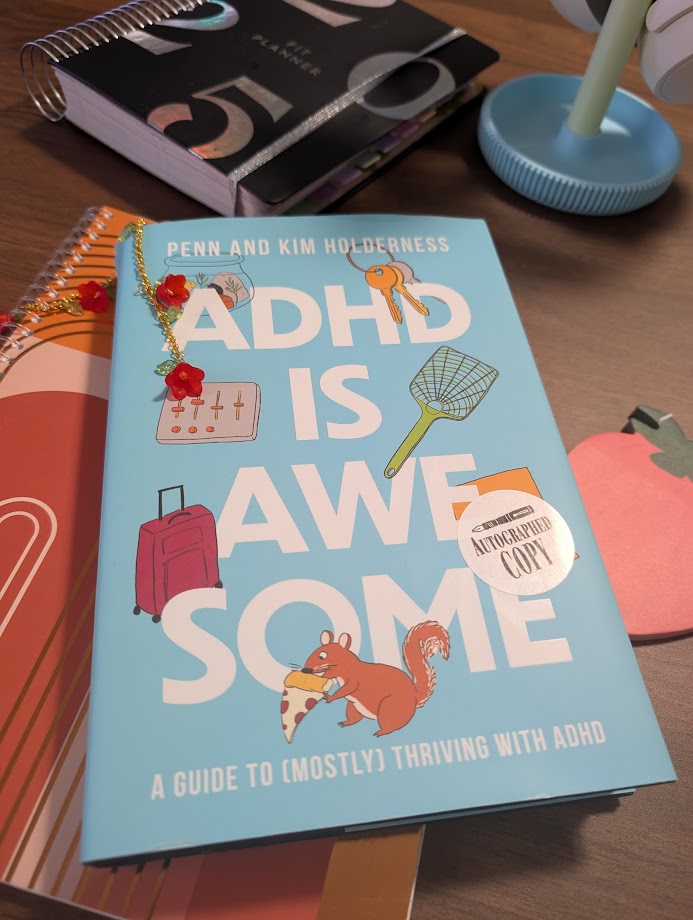
I have also immersed myself in ADHD literature and research to better understand my own brain. One book I can across was ADHD Is Awesome by Penn Holderness, which reframes ADHD as a unique strength rather than a deficit—celebrating creativity, hyperfocus, and energy while offering practical tools to navigate challenges.
I have also tried group therapy for ADHD to see how sharing space with people navigating similar challenges might feel. Initially, I was anxious—worried about judgment or not fitting in—but the therapist created a warm, inclusive environment that made it easier to open up with each session. It was challenging to attend consistently, and occasionally I felt drained by the emotional weight. But each week I chose presence over avoidance, and that in itself felt like a quiet victory. Simply witnessing others listening and reacting with empathy—for once feeling truly seen—was healing. Over time, I found my self-compassion growing, and negative self-talk softening into acceptance.